
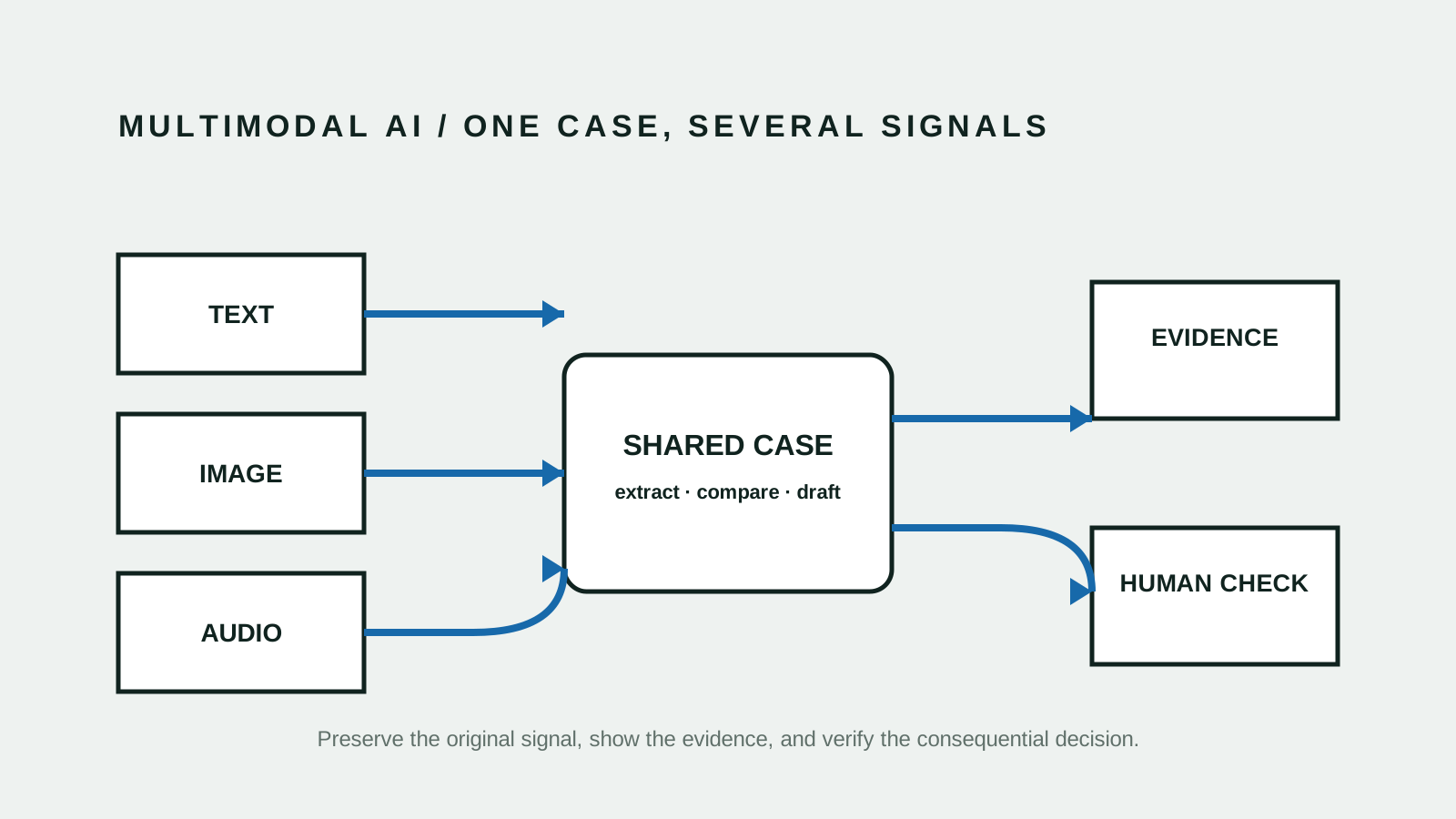
Treat modalities as evidence, not decoration
- 1 · Capture
Bring the original signals into one case
Modern multimodal models can accept combinations of text, images, audio and video. That changes a workflow from transcribing everything into text first to comparing several forms of evidence together.[1][2]
- 2 · Ground
Keep the source beside the interpretation
A fluent description of an image or recording is still a generated result. Preserve the original file, expose the relevant excerpt or region and test failure cases before the interpretation drives work.[3]
- 3 · Decide
Keep people at consequential decisions
Personal information can exist in both AI inputs and generated outputs. Define access, retention, review and escalation before using multimodal material for decisions about customers, staff, safety or money.[3][4]
The workflow changes before the interface
A field photo, recorded call and written job note can now be considered together. The useful change is not a new upload button; it is less manual conversion between systems and a richer case for the reviewer.[1][2]
Map where each signal originates, who may access it and which system remains the record. Do not let a generated summary replace evidence that the business may need to inspect later.[1][2]
Separate extraction, interpretation and action
Extraction asks what is visibly or audibly present. Interpretation asks what it may mean. Action changes another system. Keeping those stages distinct makes errors easier to locate and limits what one uncertain result can do.[3]
Use deterministic tools for file validation, metadata and known calculations. Use the model where cross-modal variation matters, then require explicit rules or approval before a side effect.[3]
Privacy follows the content, not the file type
Images can contain faces, addresses and documents. Audio can contain voices, health details and background conversations. Generated descriptions can also contain personal information.[4]
Minimise uploads, restrict access, document vendor handling and set retention deliberately. Public or consumer AI tools should not become an unreviewed path for confidential case material.[4]
- Inventory every input modality
- Preserve source identity and permissions
- Redact or avoid unnecessary personal information
- Show evidence with the generated interpretation
- Require approval before consequential actions
Evaluate the whole case
A text benchmark cannot prove that a system will identify the right region in an image, understand a noisy recording or preserve meaning across several inputs. Build representative cases from the actual environment.[2][3]
Score missing evidence, wrong attribution, disagreement between modalities and whether a reviewer can detect the error. The target is a safer completed workflow, not an impressive standalone answer.[2][3]